



Snakes on the island of Krk: important info & how to behave
The wild nature and beautiful landscapes of the island of Krk are the ideal habitat for various animal species. However, if you come across a snake while hiking or walking, there is no reason to panic. The vast majority of snake species native to Croatia are non-venomous and completely harmless.
Venomous snakes in Croatia: nose-horned viper (poskok) and common adder
Croatia is mainly home to two species of venomous snake that are potentially dangerous to humans but usually not life-threatening:
- The nose-horned or sand viper (Croatian: “Poskok”): It is easy to recognise by the characteristic horn on its snout.
- The common adder: A snake species found across large parts of Europe.
Both species can occur throughout the country and also on the island of Krk. However, since they are very shy and usually flee early at the slightest vibration rather than attack, snake bites in humans are extremely rare.
What to do if you see a snake?
Snakes sometimes stray close to residential areas in search of water or warmth, where they themselves do not feel safe. If you spot a snake – especially if you suspect it is a nose-horned viper (poskok) – keep your distance and do not provoke the animal.
Our tip: Best call the fire brigade! The crews are usually on site in no time to catch the snake safely. The animal is then taken unharmed to a nearby woodland area and released back into nature.
Fire brigade emergency number on the island of Krk: 051 221 008
See also: “Important emergency numbers and addresses on Krk“
What to do if bitten by a snake
Although snake poisoning is rare in Croatia, it is important to know how to react in an emergency. Should a bite occur against all expectations, follow these steps:
- Stay calm: Avoid panic at all costs. An increased heart rate speeds up the spread of venom in the bloodstream.
- Minimise movement: Move the bitten part of the body as little as possible and try to keep it in a stable, still position.
- Don’t use home remedies: Do not try to suck out the venom or tie off the wound.
- Call for help immediately: Dial the general emergency number (112) immediately and inform the control centre about the bite. The medical staff will give you exact instructions for the next steps and send an ambulance if necessary.
The emergency services in Croatia are prepared for such situations and are best placed to assess which medical measures are needed.

TOP PICKS
You might also be interested in
- Advent in Baška 2026: the full programme
 From 29 November to 31 December, Baška celebrates Advent by the sea – with St Nicholas by boat, music on the Palada and New Year at noon.
- Did you know? Croatia celebrates a chocolate festival every year
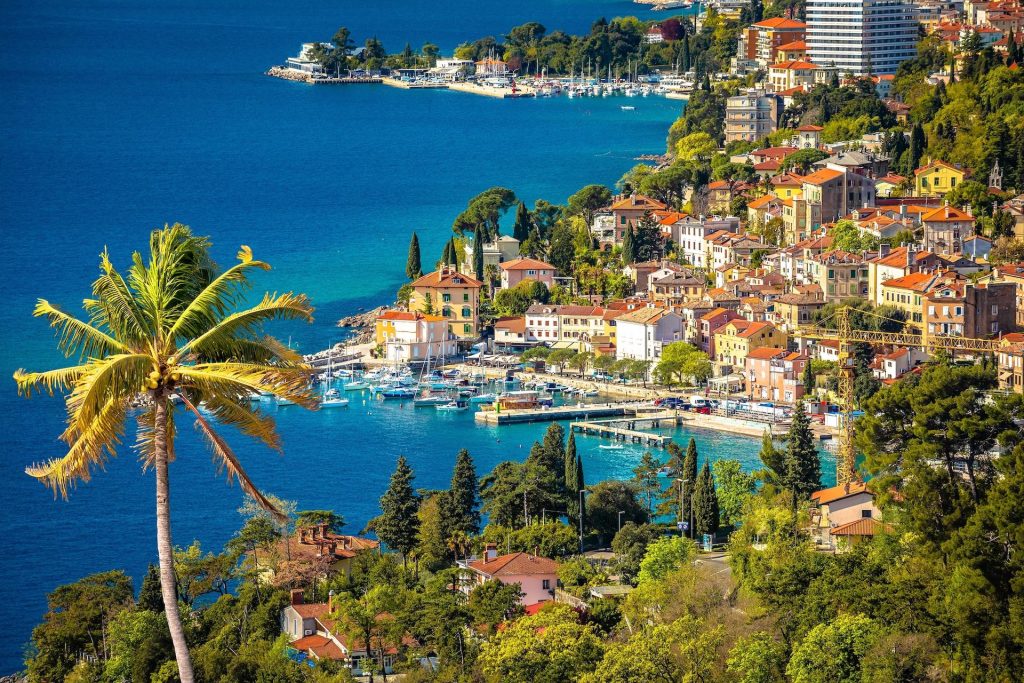 Every November, Opatija becomes a chocolate town. The Festival čokolade celebrated its 20th edition in 2026 – and it is only about an hour from Krk.
- EU investigates Booking.com – why booking direct on Krk pays off
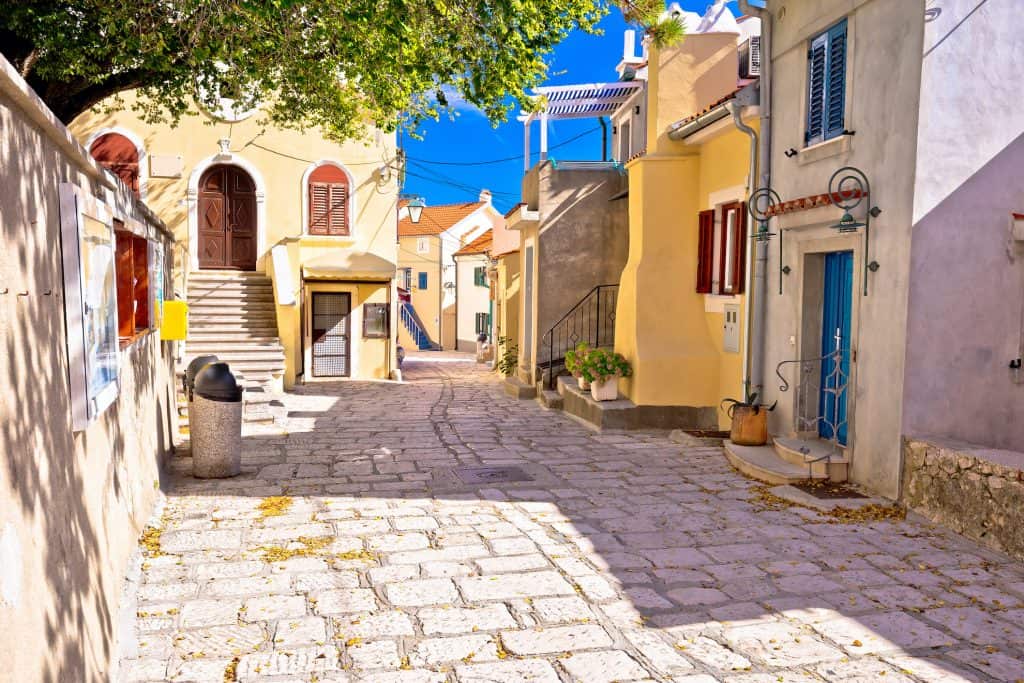 The European Commission is examining whether Booking.com does enough against fake listings and phishing. Why booking direct with local hosts pays off.
- Croatia’s islands win gold: Europe’s most desirable region 2026
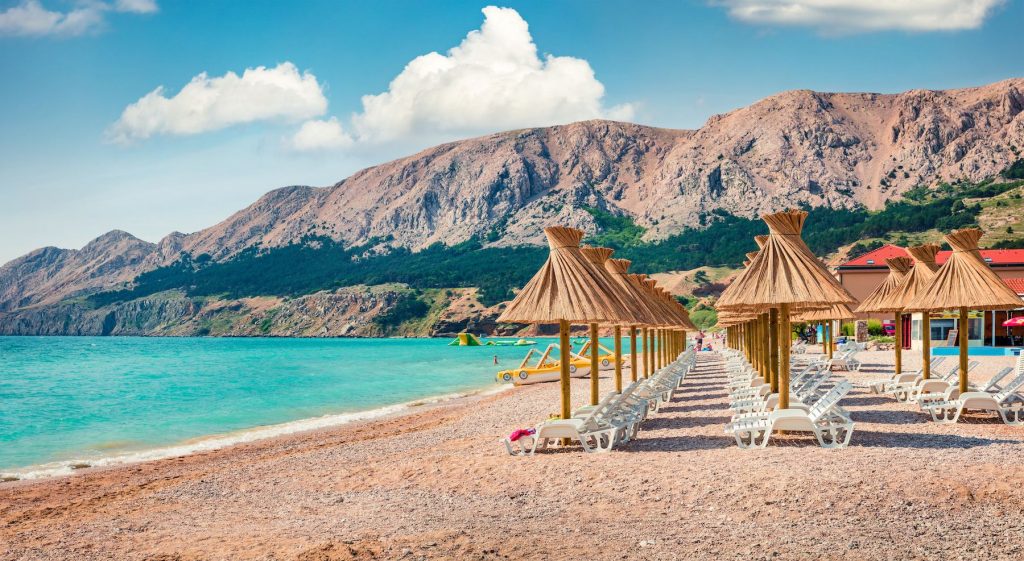 Gold for the Adriatic: at the Wanderlust Reader Travel Awards 2026 in London, the Croatian islands were voted Europe’s most desirable region – and Krk is celebrating too.
- Landlords in Croatia 2027: Automatic Registration and Higher Flat Rate
 From 2027 the Tax Administration is to register landlords automatically and the minimum flat-rate tax per bed will rise. What the draft law means for landlords on Krk, with an example and sources.
- Long-term rental island of Krk
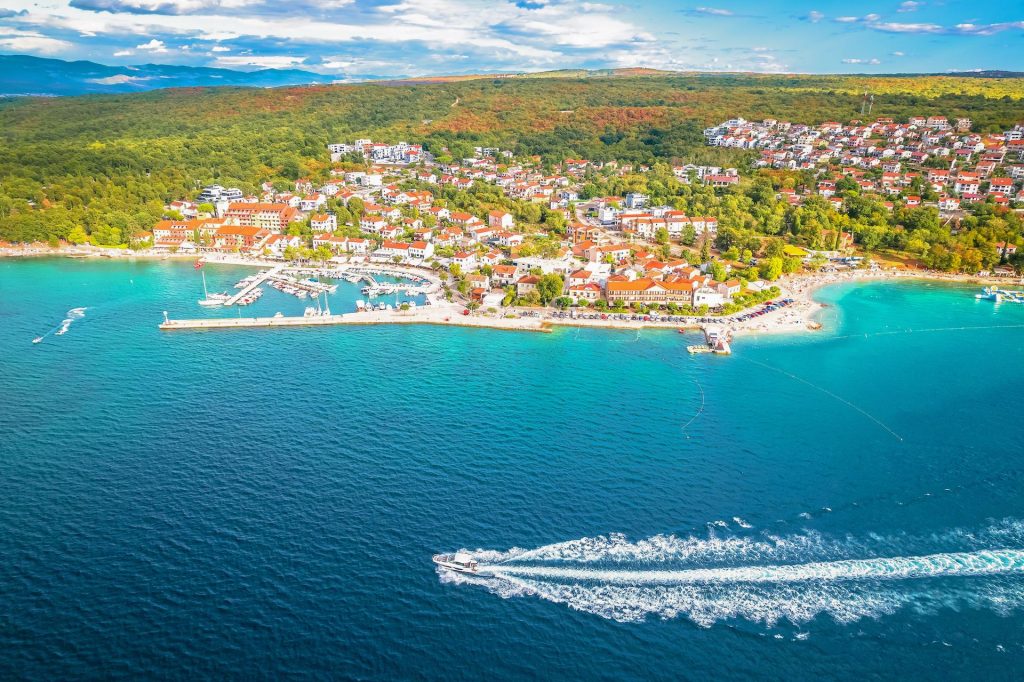 Long-term rental, extended holidays or wintering on the island of Krk – peace, sea views and selected accommodation for every season
- The biggest Advent ever on Krk: why you have to celebrate Christmas & New Year’s Eve 2026 by the sea!
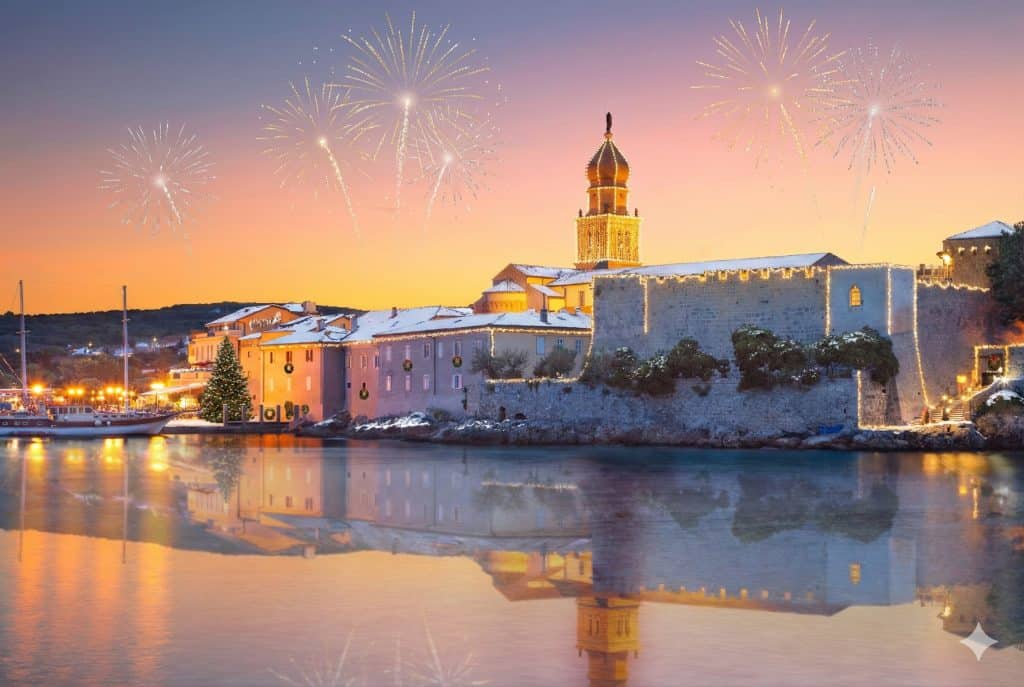 Over 30 events by the sea! Krk celebrates the biggest Advent ever in 2026: live concerts, mulled wine on the Adriatic, winter trails & a mega New Year’s Eve. Book your winter holiday now!
- Krk town is Croatia’s “Eco City”: the greenest holiday paradise!
 Krk scoops the prize! The island capital wins the prestigious “Eco City” award and 2nd place for education & youth. Find out why your holiday on Krk is now even cleaner and more beautiful!
- Traditional Use of Wild Plants on the Island of Krk
 Wild asparagus, healing herbs and centuries-old traditions: discover how locals on Krk still use wild plants, and try a classic spring fritaja recipe.