



Drinking water on the island of Krk: origin, quality and important tips for holidaymakers
The drinking water on the island of Krk is a true natural wonder in the middle of the Adriatic. While many neighbouring islands depend on water deliveries from the mainland in summer, Krk remains a self-sufficient water paradise. In this article you’ll find out everything about its origin, its excellent quality and what holidaymakers should bear in mind when using cisterns, so your stay on the “golden island” stays carefree.
The secret behind Krk’s drinking water supply
The self-sufficient supply of drinking water on the island of Krk is due to the special geology. The karst landscape acts as a huge natural filter and reservoir. Rainwater collects in underground aquifers and re-emerges as pure spring water.
- Ponikve, the lifeline: Lake Ponikve is the heart of the water supply. Together with the local streams, it ensures the availability of drinking water even in extremely dry months.
- Independence: Thanks to these resources, the island doesn’t depend on expensive pipelines from the Croatian mainland, which greatly strengthens the sustainability of tourism.
Quality: can you safely drink the tap water on the island of Krk?
The quality of the drinking water supplied by the public network is among the highest in all of Croatia. It is regularly tested to strict EU standards. If you’d like to know more about the official analyses, you can check the latest readings on the website of the local water supplier Ponikve eko otok Krk (external link).
Insider tip: Krk’s bevanda Its purity is traditionally proven by the Bevanda . For this you mix the local Vrbnička Žlahtina with fresh tap water. A treat that shows just how good the island’s water really is.
Important tips on cisterns (šterna) and drinking water
Although the public network is first class, many private properties have a so-called šterna. When it comes to drinking water on the island of Krk, caution is advised here:
- Check the connection: Ask your host whether the water comes directly from the public network or from a private cistern.
- Cistern water: Cisterns collect rainwater from the roof. It’s ideal for showering but shouldn’t be used as drinking water without boiling it first. You can also find information on hygiene standards for drinking water in Croatia from the Croatian Institute of Public Health (HZJZ).
Conclusion
The safety and quality of the drinking water on the island of Krk are a cornerstone of a relaxed holiday on Krk. Enjoy fresh water straight from the tap – a luxury that this island’s nature gives us.
- Traditional Use of Wild Plants on the Island of Krk
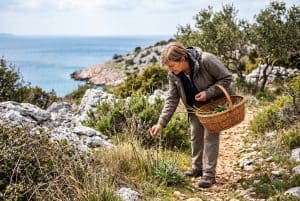 Wild asparagus, healing herbs and centuries-old traditions: discover how locals on Krk still use wild plants, and try a classic spring fritaja recipe.
- Why the Sea on Krk Is Your Best Doctor – 6 Wonderful Healing Effects
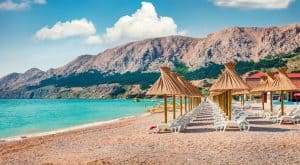 Salty air, mineral-rich water and endless horizons: discover 6 ways the Adriatic Sea on Krk soothes body and mind – from stress to skin problems.
- New Landlord ID Croatia: What Krk Hosts Need to Know
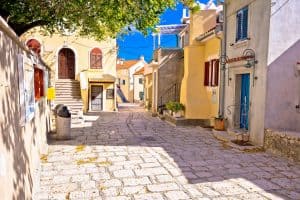 Booking.com and Airbnb will soon ask for a new state registration number. What does that mean for holiday rental owners on Krk? The facts, without the panic.
- Delivery Service on the Island of Krk
 No more wasted trips to Rijeka! Krk Express delivers furniture, building materials and parcels straight to your door on the island of Krk, with same-day delivery and fixed prices.
- Mega News for Krk Holidaymakers: The New Roundabout Before the Bridge Is Coming!
 Construction of the long-awaited roundabout at the Krk Bridge junction in Kraljevica starts in early 2027 – great news for everyone driving to the island!
- Old Stonehouse Stari San
 Old Stonehouse Stari San in Pinezići offers 122 m² of feel-good atmosphere for 6 guests. With a large garden, outdoor shower and top amenities.